Best Practices
Best Practices for Keeping Your Equipment Running Optimally
EDS Devices
1 Bleed the Regulator Between Uses
Leaving the regulator pressurized when not in use will shorten the life of the EDS.
- Make sure the oxygen cylinder valve is closed.
- Remove the regulator outlet tubing from the EDS inlet fitting, or turn on and turn off your EDS unit. Note: Merely removing the tubing from the regulator outlet fitting of an XCP or FPR type regulator will not actually bleed the regulator as the check-valves incorporated into the CPC outlet fittings will retain pressure in the regulator (also applies to the 6mm Split-Kit). If the regulator uses a CPC Connector (such as a four-port regulator), a blunt instrument (such as a pen) may also be inserted into the regulator XCP/FPR outlet in order to open the internal check valve and bleed-off the remaining oxygen. You may hear the gas escaping as you do this.
2 Stow the EDS Inlet Tubing Properly to Prevent Contamination
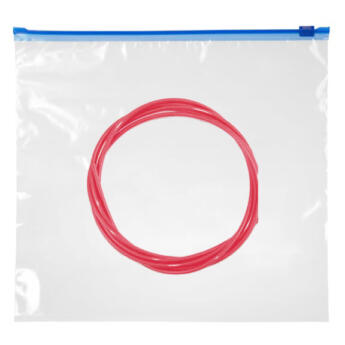
Stow oxygen tubing and cannulas/masks in a manner that ensures that they will not be contaminated with dirt or debris.
Anytime oxygen lines are disconnected, they must be protected to prevent contamination. The supplied tote bags or a resealable plastic bag is a good storage container. Improperly stowed oxygen lines can lead to the following problems:
- Moisture can enter the system. When it evaporates it can then leave a precipitate (scum) on the breathing sensor or valve seat which can compromise the operation of the EDS.
- Foreign Objects or Debris (FOD) can enter the system (including insects). When the EDS is reconnected and gas applied, the debris is pushed into the unit and comes to rest at a constriction. This will most often trigger a FLOW FAULT, but partial obstructions can sufficiently reduce the flow enough to affect the amount of oxygen delivered at higher altitudes and create a risk of hypoxia.
3 Remove the Batteries When Not in Use
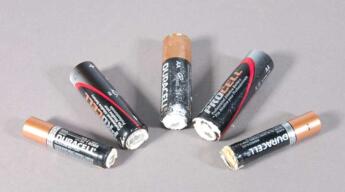
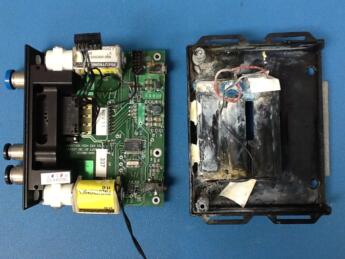
Your EDS is valuable and batteries leak.
Remove the batteries to prevent leakage and corrosion if the unit is not going to be used for an extended period (30 days or more). When using the unit for the first time after extended storage, verify battery function via the usual POWER-UP procedure.
Replace your batteries annually. Also, replace the batteries if in doubt or if a LOW BATTERY Alert is received. A fresh set of spare alkaline batteries should be part of your pre-flight inventory.